We can’t rely on natural gas to bring down energy prices, even in PA

Want lower energy prices and American energy dominance? Maybe even less pollution? Our current local state Representative, Craig Williams, is not on the case, despite his rhetoric. Let’s dive in.
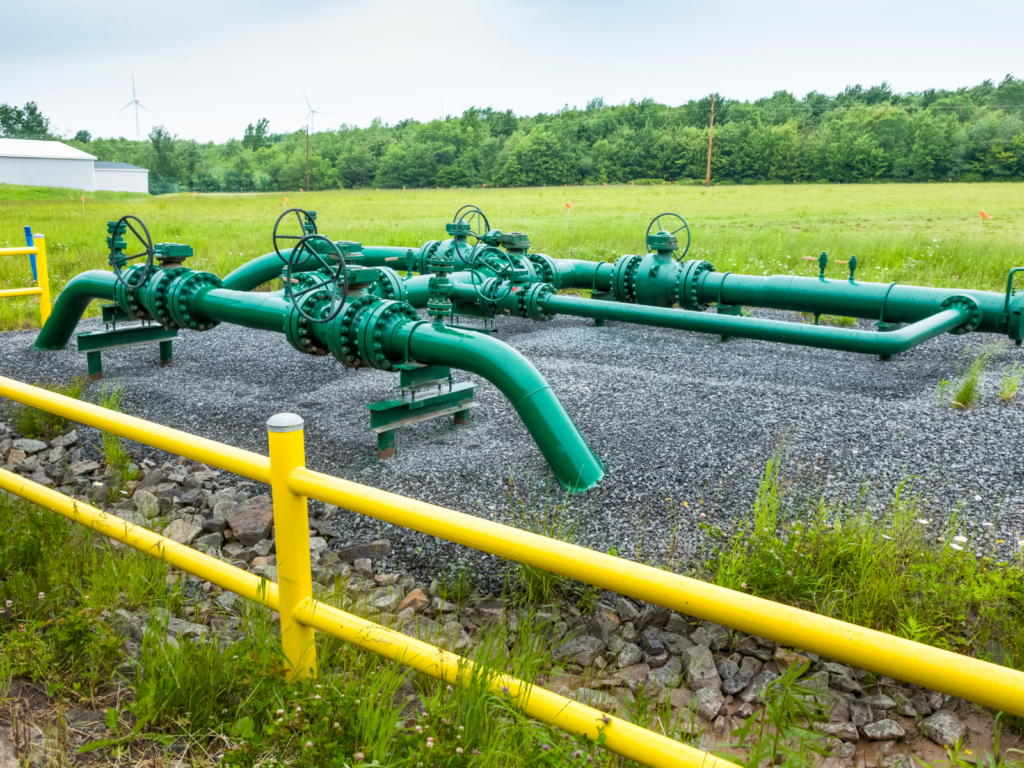
Pennsylvania is flush with natural gas, particularly in the western part of the state in the Marcellus Shale region. It’s natural (no pun intended) to think this energy abundance could be quickly unleashed to generate more power and bring down electricity prices. That’s what Williams tells us.
“We’re in a crisis,” he says. “And the only thing we can do is encourage the new generation of electricity that actually exists in the marketplace right now…. We need to be encouraging gigawatts, gigawatts of new generation, predominantly in Western Pennsylvania, taking advantage of Marcellus Shale.”1
New natural gas takes 5-10 years to build
But this proposition has a big problem. The massive climb in data center development and overall demand for electricity means everyone wants to build more natural gas power plants, but manufacturers of the turbines that power them can’t keep up. Currently, backlogs for new natural gas turbines push out to 2031. If we rely primarily on new natural gas plants to create more energy supply and bring down prices, we’ll be waiting another 5 years (at least) to see that come to fruition.
Natural gas plants might be part of the solution, but we also need a host of “right now” solutions. The fastest and cheapest (yes, cheapest!) new power generation solutions are renewable energy, particularly solar and large batteries.
There are also a bunch of other solutions that help us use the grid and power plants we already have more effectively and efficiently, so we get more from the infrastructure we’ve already paid for. More on those solutions in this deep dive (and kind of wonky piece) if you’re curious.
Williams against solar power
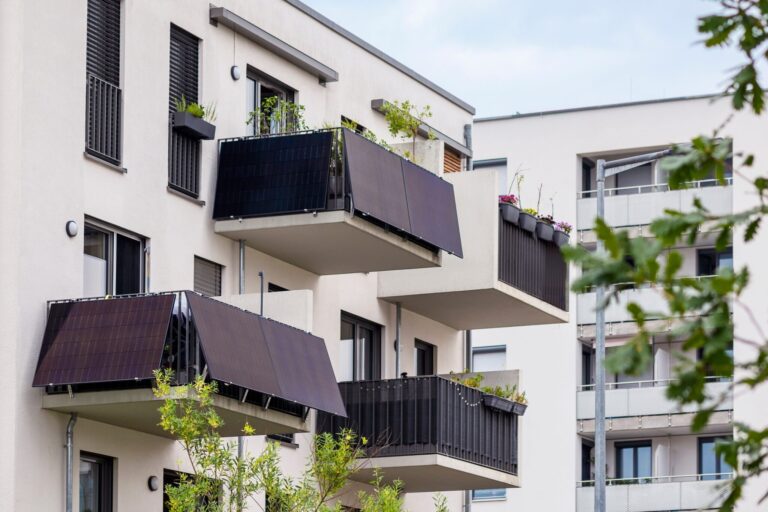
Unfortunately, Williams is no fan of these solutions. He’s been vocal about his dislike of the structures around how solar owners receive compensation for the power they send back to the grid and his intent to block bills that make solar more accessible until that structure changes. That structure change would effectively make it more expensive for individuals and community organizations to invest in solar power.
He calls this issue “forced subsidization of solar customers by non-solar customers,” which is so misleading. I wrote a long piece about that here. The Cliff Notes:
- Some costs shift between solar and non-solar owners in both directions, and he only talks about them one way.
- He regularly says we desperately need to add more power to the grid, but he’s fighting against some of the most accessible energy-generation tools. Why is he trying to make it harder/more expensive for individuals to use their own money to reduce their load on the electricity grid and add power that neighbors can use? He never talks about that cost shift. Should we call this the “subsidization of non-solar owners by solar owners”?
- Solar is the fastest and cheapest way to add new energy to our grid. If we want to reduce power prices now, this has to be part of the solution.
If Williams wanted to have a real conversation about reducing power prices quickly, he would approach the discussion of solar power with much more nuance and seriousness.
Williams opposes large-scale batteries
Batteries don’t generate more energy themselves, but they allow us to use the grid we already paid for more efficiently. They charge when electricity use and prices are low, store the energy, and then release it when the grid has high demand. They “fill up” when the grid isn’t being used anyway and make more energy available when the grid is really busy and needs extra capacity. This brings down prices. They also make our grid much more resilient and flexible.
Despite these very real benefits, Williams says about a PA State House Bill that would require batteries to be added to the grid, “We would be requiring our electric distribution companies, our utilities… to purchase 3,500 MW of battery storage which doesn’t yet exist. The equivalent of four nuclear power plants.” He calls it a “physical impossibility that 4 nuclear power plants’ worth of batteries” exist.
Batteries don’t exist? This is nonsense. This PA legislation calls for adding 3.5 GW of battery storage to the grid between now and 2035. Globally, more than 600 GWh of battery cells were shipped for stationary storage in 2025 alone.
In the United States alone, domestic plants can make 69.4 GWh of battery storage systems a year. That includes more than 21 GWh of lithium-ion cells for stationary storage. We installed 57.6 GWh of new storage just in 2025. Large-scale batteries are being added to grids across the country, in markets as diverse as California, Texas, the Southeast, and up to Minnesota. Batteries have no partisan lines, and they are very real.
Moreover, battery prices are plummeting while his favored gas turbine prices are climbing. Batteries are now less expensive than gas-powered peaker plants.
Williams says utilities aren’t charging us more
In that same House Energy Committee meeting, Williams said, “We’re already getting unbelievable bills, not because our utilities are necessarily charging us more…. because there’s not enough electricity on the grid as it is.”
What does he mean when he says utilities aren’t charging us more? Utilities are charging us way more for transmission and distribution (moving electricity from the plants to our homes), which has nothing to do with how much electricity is on the grid. PECO rates increased 10-12% in January 2025 and again in January 2026. We are also being charged more for electricity generation, which is one thing the batteries would help fix.
Even more confusing, Williams continues, “We are the number one electricity exporter, and we could double down on that, and immediately, overnight, reduce our ratepayer bills, and instead, we’re doing this.”
What does this even mean? Immediately, overnight, reduce our ratepayer bills? How?
- Electricity rates are set years in advance.
- New generation plants (specifically the natural gas plants in Western PA) take 5-10 years or more to build because so much of the equipment is backlogged right now due to high demand.
- He’s against solar, wind, and batteries, the fastest new generation to build and the cheapest to run. Even those take 12-18 months (at least) to get up and running.
- He ignores grid utilization upgrades (which make the grid we already paid for deliver more electricity without building new power plants).
No one is reducing our PECO bills overnight. That’s impossible.
Williams is not working for us
Craig Williams talks a big game about bringing down electricity prices. But when push comes to shove, the policies he’s willing to support and what he fights against don’t all move in that direction. He’s consistently fighting for the Marcellus Shale natural gas industry in Western Pennsylvania, whether that’s in the best interest of our energy future and lowering energy prices or not. And it’s certainly not bringing any economic development to his own district (i.e., us).
Building more Marcellus Shale natural gas extraction isn’t necessarily great for the communities where it’s extracted either. This still-relevant 2010 PBS mini-documentary shows exactly what Williams is fighting for. Residents say fracking for natural gas in the Marcellus Shale region “ruined their water, their lifetime investment in their homes, and their lives.”
We might need a lot of power, but why are we not at least fighting for more clean energy too?
Williams is not working for us.
Natural gas is not the best immediate solution
Pennsylvania has a lot of natural gas underneath us. Even in the best of circumstances, many roadblocks to extracting that gas and turning it into usable electricity keep new natural gas plants from being a near-term solution.
Solar and batteries are great homegrown American energy solutions that should absolutely be a significant part of our country’s energy future. Central Pennsylvania has a lot of wind power potential that rarely gets discussed. Renewable energy also creates a ton of jobs in local communities, not just on the other side of the state. These solutions diversify our state’s overreliance on natural gas, contribute to American energy dominance, offer individual energy independence, create more resilient electricity grids, and more.
If we want lower energy prices, more American energy, and less pollution, we need to put every tool in the toolbox to work. We need elected officials who put real, achievable, accessible energy solutions front and center. Craig Williams is not doing that.
- During the June 17, 2026, House Energy Committee meeting. ↩︎