Should we court a data center to build at Ridge Road and Route 202?

A data center? Is this lady crazy?! I know, I’m throwing a live grenade into the conversation around development at Ridge Road and 202. But before you write me off, hear me out.
And remember, the question isn’t whether it’s a good option, but whether it’s a better option than the alternatives.
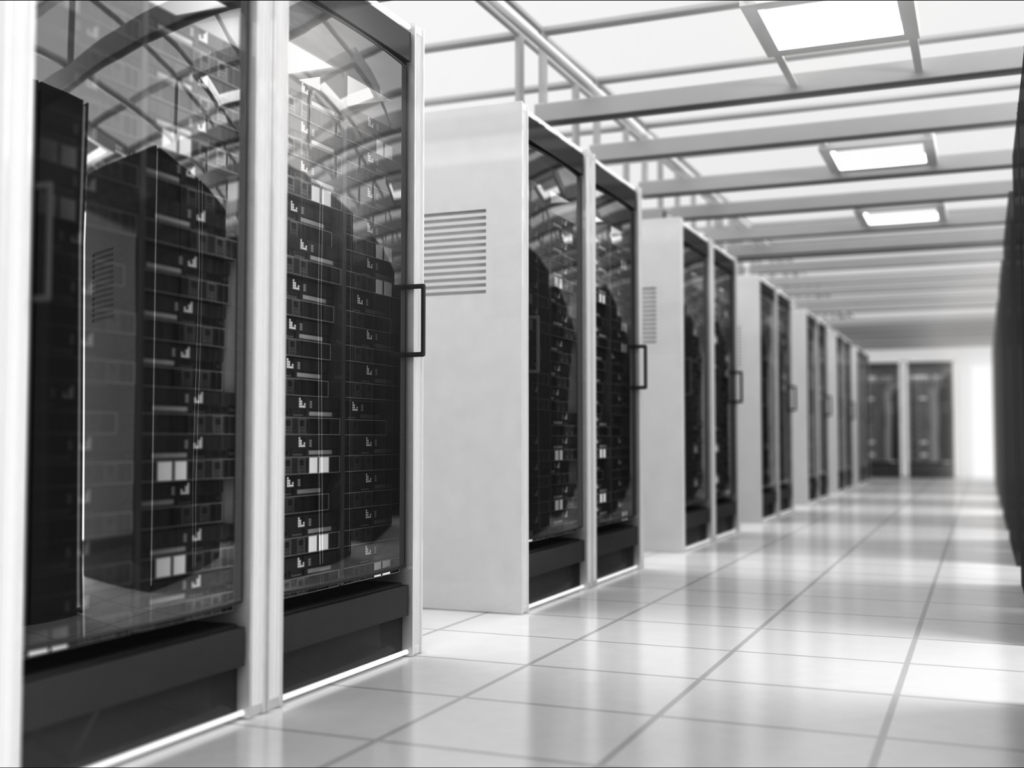
For decades, we’ve been building small data centers everywhere. They house our Gmail accounts. They process our Amazon orders. They host our Zoom meetings, Google Classroom accounts, our community Facebook groups, and all our favorite photos that live in our phones and never get printed.
No one cared much about data centers until… artificial general intelligence threatened to destroy humanity, and Elon Musk decided powering a massive data center with highly polluting, noisy jet engines was a good idea. No one but Elon thinks that’s a good idea, and that’s not the kind of data center I’m talking about.
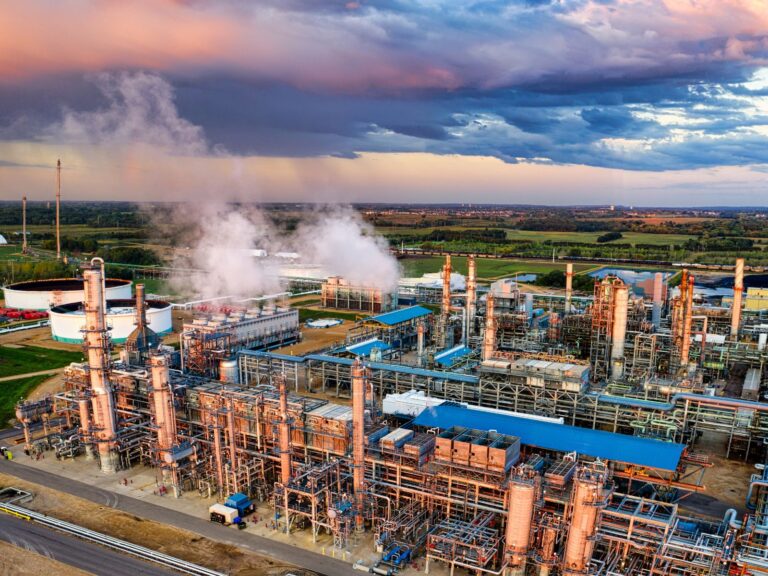
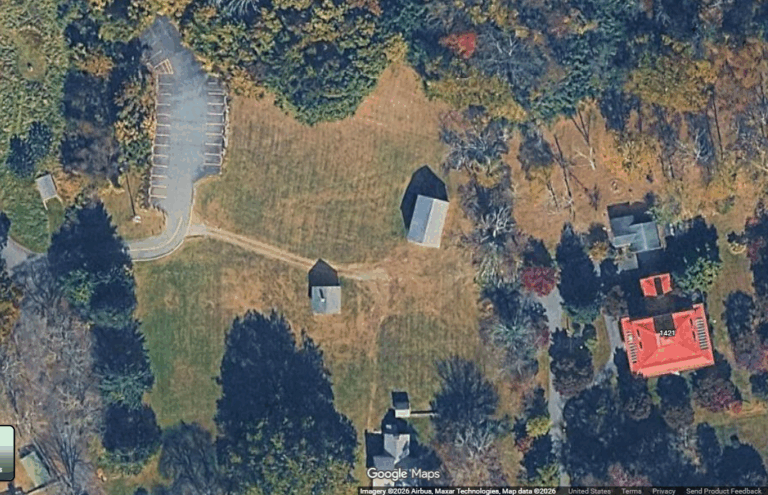
The land at Ridge Road and Route 202 is a small parcel relative to national data center development discussions. It would be a small data center, much like the ones we’ve been building for decades.
Data centers can pose legitimate environmental and community concerns, and there are ways to build them that address those harms. In many cases, more responsible development costs more than quick-and-dirty solutions, but they’re possible. Some major tech companies took shortcuts in construction, but it doesn’t have to be that way.
We can build data centers with closed-loop water systems that won’t dry up our wells. We can build data centers with quiet fans that won’t lace our neighborhoods with noise pollution. We can build enough energy to power a small data center without jacking up our PECO bills. Some of these solutions might be more expensive (for data centers, not residents) than building data centers without considering community impacts. But data centers are desperate, and they have deep pockets. They are willing to pay.
When we compare building a data center at that location to the status quo, it’s worth noting that data centers create no traffic. Data centers generate tax revenue. Data centers can be surrounded by tall trees and aesthetic vegetation so they aren’t ugly.
Increasingly, data center developers are negotiating with communities to incorporate what are called Community Benefit Agreements. These are legally binding contractual commitments to help the community solve one or two particular problems in exchange for the community allowing them to build. Essentially, the data centers are proving that they are willing to be a good neighbor.
A Community Benefit Agreement might include meaningful funding for a fire department that’s struggling to meet its needs, something we’re experiencing in our community. It might also include funding to help local residents install energy-generation resources like rooftop solar and energy-saving devices like new appliances, to create enough new energy to offset some or all of the data center’s energy consumption. Rewiring America calls this Homegrown Energy.
Data centers are desperate to build. What community concerns can they help fix in exchange for being our new neighbor?
I know there are already plans for the property, but everything has a price. Surely the property owner is willing to sell to a new developer for a certain price, and tech companies seem willing to pay just about anything for compute access.
I’m not suggesting a data center is the right answer or even a possible one. I’m just offering it as an outside-the-box development option that might solve several concerns in our community. A data center at that location would eliminate traffic concerns and remove any need to redesign Ridge Road. It would also render moot concerns about effluent from a car wash, contamination from a gas station, or light pollution from a shopping center. A community benefits agreement might help address our fire department funding shortfall.
A few questions to reflect on:
- What concerns about a data center in our community can’t be resolved or prevented by thoughtful, responsible development, review, and processes?
- How does the data center in that location compare to a shopping center?
- If you’re adamant about not wanting a data center in your backyard, do you think they won’t be built anywhere? And if they’re going to be built somewhere, why do they belong in someone else’s neighborhood but not ours?
- What if new data centers funded a clean energy transition that reduced pollution, or drove down our electricity prices and increased our energy independence?
- What things in your life require data centers? Are you willing to give them up in exchange for not building new data centers? Everything from our phones to our favorite streaming shows to every Google search we punch into the search bar runs through a data center. Every medical record, every scientific research breakthrough, every credit card transaction, every text message to family and friends runs through a data center.
I understand there are distinctions about what different data centers do. Most of us have less heartache running our text messages through data centers than allowing them to run artificial intelligence robots that will surveil us, replace our jobs, and challenge the very core of humanity. But they’re all data centers.
So what do you think? For now, it’s just a conversation. But if the alternative is a shopping center with another grocery store, tire center, workout facility, and more redundant commercial outlets when we already have a collection of unfilled retail spaces, is it worth considering?
What are the possibilities for this idea? What did I miss? I’d love to hear your thoughts.