Growing something great at Barnstar Farm

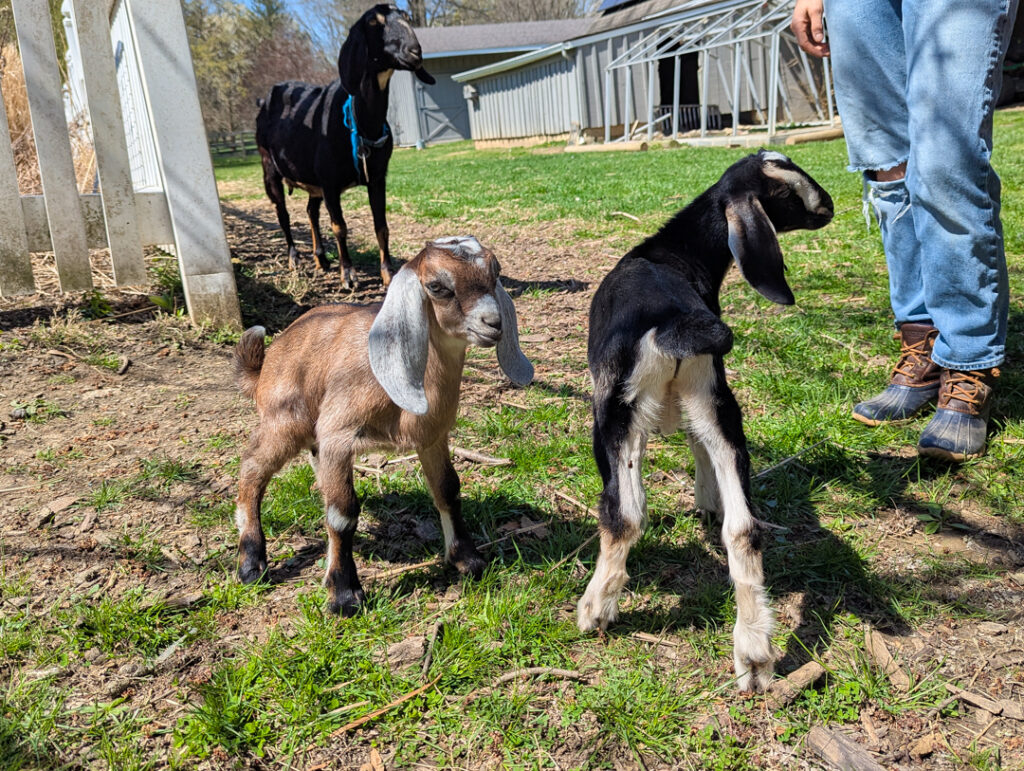
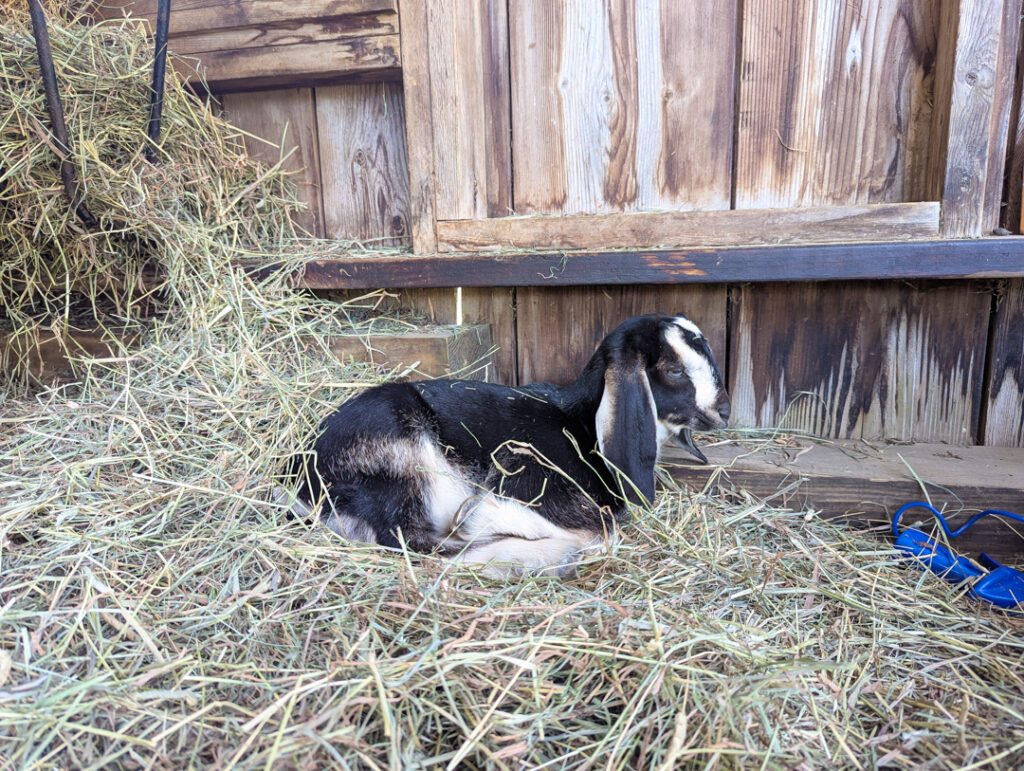
Spoiler Alert: Scroll to the bottom for the cutest little pics of cutie baby goats. 😍
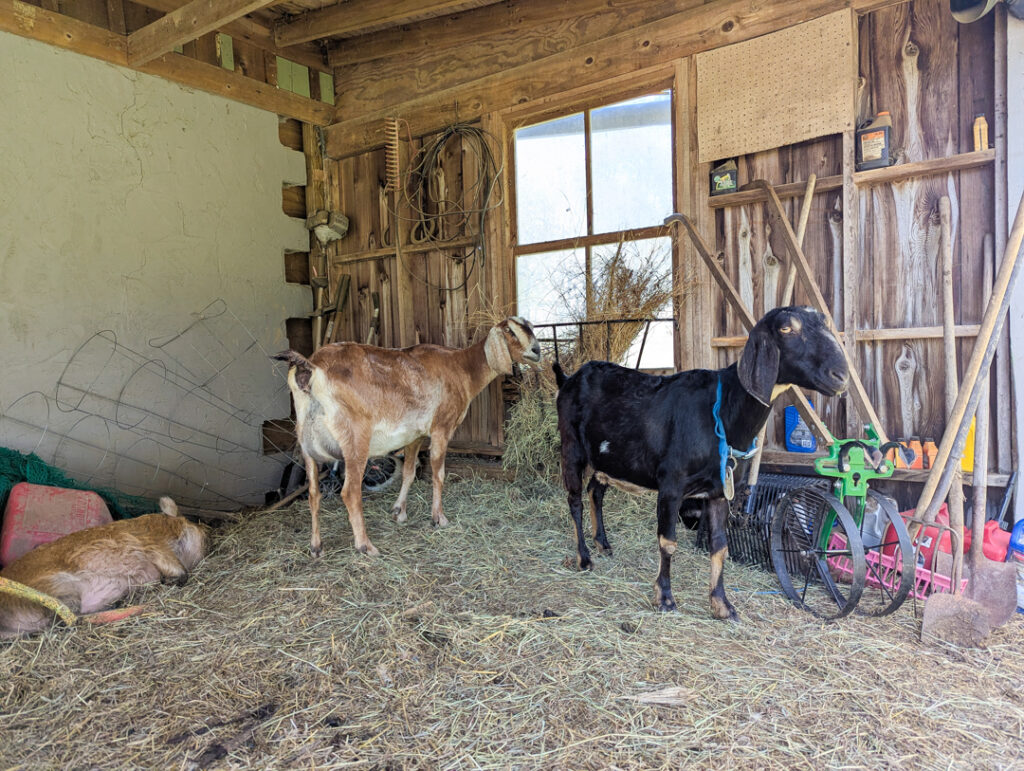
Meet Éclair, Cocoa, Cappuccino, and Moonlight. 🐐 Don’t forget Persimmon. 🐖
Éclair, the grandmother of the goat herd at Barnstar Farm, tried to eat my notebook when I first met her. She hangs out with her daughter, Cocoa, and two-week-old grandkids, Cappuccino and Moonlight. Nearby, Persimmon the pig does whatever pigs do on a Tuesday morning.
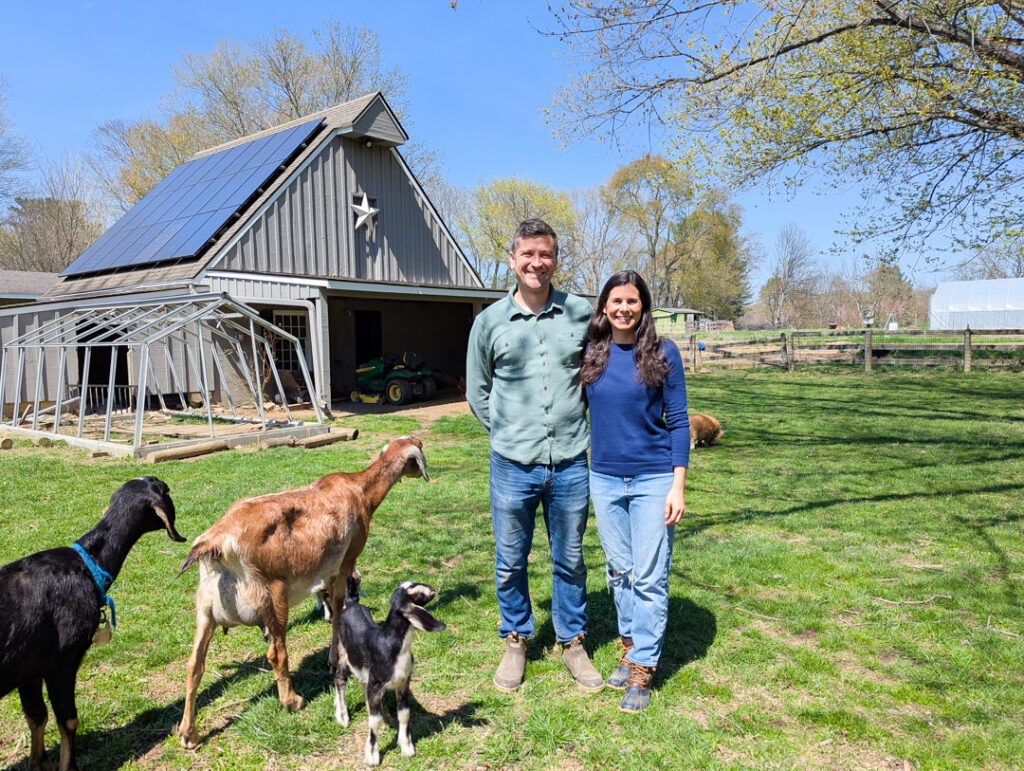
Every day, the Swartz family rises with the sun to milk the goats, let the animals out of the barn, and wander the yard to find where the free-range hens left their eggs. It’s a ritual that would have been hard to picture a few years ago, when Katie and Charlie Swartz were federal government professionals living in Washington, D.C. — two sustainability-minded people with a dream they kept tucking away for someday.
The pandemic moved up the timeline. In 2021, they purchased a four-acre property in Birmingham Township with their three kids, a vision, and (as they discovered in the cellar) an old wooden barnstar. They learned the barnstar was a regional symbol of good fortune. For a family of five starting something completely new, it felt like a sign. Barnstar Farm was born.
Four years in, I asked Katie what the big vision looks like down the road. “What does this look like in your wildest dreams?” She paused, looked around at the orchard, the garden beds, the animals, and said, “I think this is it.” ✨
Katie stepped back from her legal career to focus on the farm and their family. Charlie works part-time for a sustainability startup. Their main project, outside of the relentless and joyful demands of raising three kids, is this small, intentional farm that grows food using regenerative practices and shares the abundance with their neighbors through a Community Supported Agriculture program that runs from May through October.
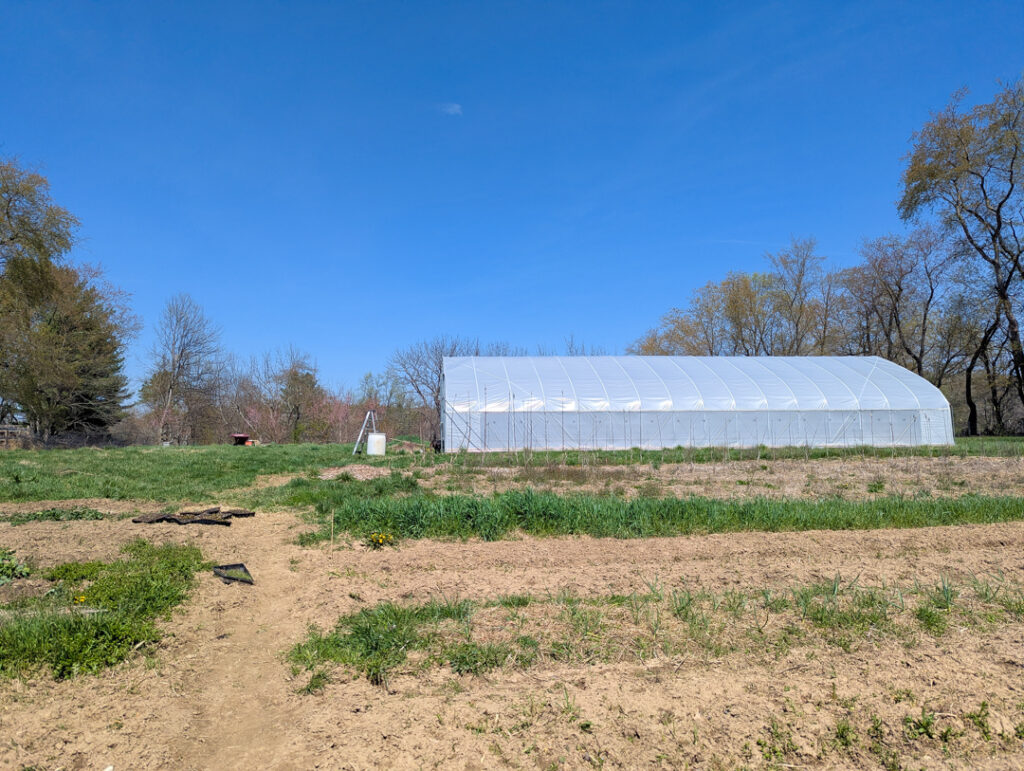
A recent USDA grant helped them build a greenhouse on the property, which has changed the rhythm of their year. They can now start seeds through the winter, giving their crops a longer runway and their season more depth. This infrastructure investment separates a hobby garden from a serious small farm.
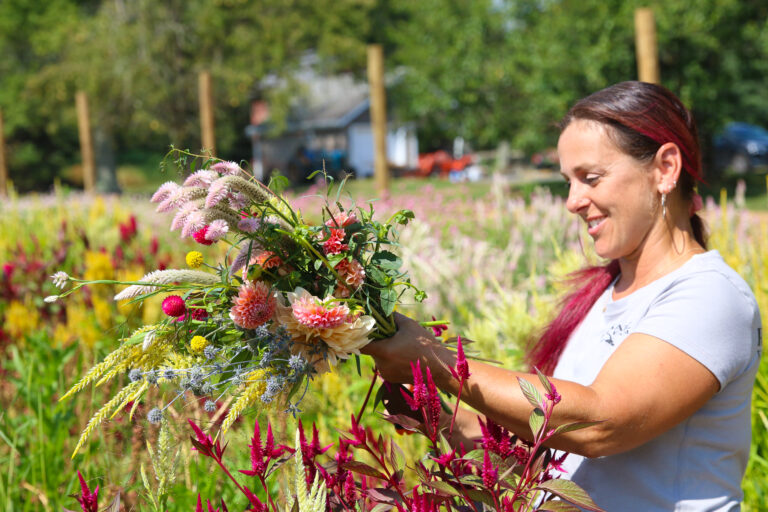
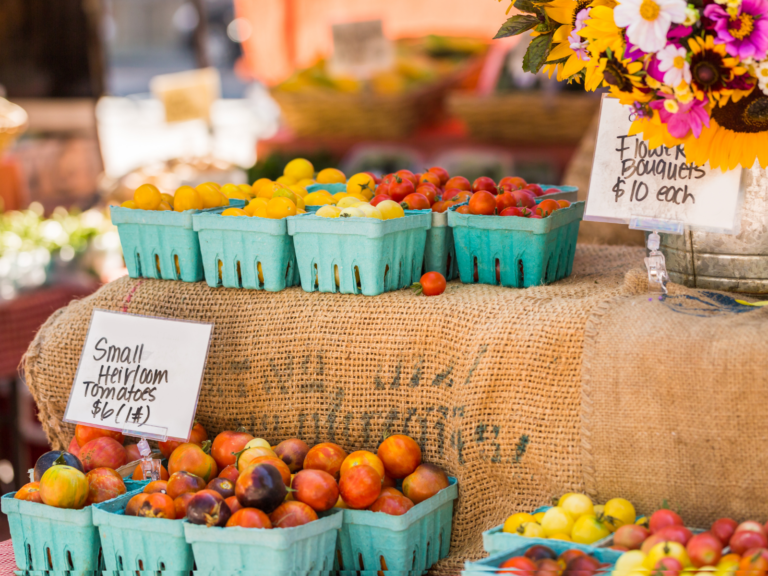
Starting in May, CSA members stop by weekly to pick up whatever was harvested. The bounty shifts with the season: lettuce and kohlrabi in early summer, peaches, plums, and pears as the orchard ripens. Last year, they added sunflowers and zinnias, so some weeks members could choose to take home fresh-cut flowers tucked alongside the vegetables. Occasionally, members find a small jar of honey, a round of homemade goat cheese, or a loaf of sourdough as an extra gift from the family.
Seasonal surprise at Barnstar Farm makes the CSA special
Eating with the seasons and embracing the power of Mother Nature on our bodies and souls connects us to the sun, soil, and rhythms of our environment. Unlike a trip to the grocery store, where the same items sit under fluorescent lights each week, a CSA encourages surprise, delight, and curiosity about seasonal and new ingredients.
Members might need to figure out what to do with kohlrabi or try an heirloom tomato that tastes much juicier and fresher than its corporate-grown counterparts at the grocery store. Have you ever tried fresh, picked-from-the-dirt asparagus? It’s almost unrecognizable relative to the limp stalks at the store.
Members have leaned into the surprise by sharing recipes with each other when they make something delicious with a new-to-them ingredient. A select few even come out to the farm periodically to volunteer, getting their hands in the dirt alongside the family. That informal community, built around a farm stand on a country road, is exactly what Katie and Charlie had in mind when they left the city.
Regenerative farming at Barnstar Farm
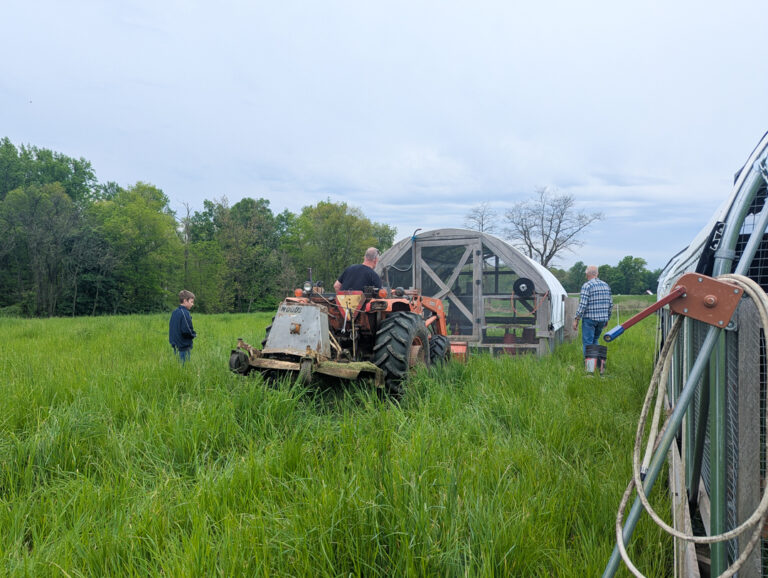
Katie and Charlie prioritize regenerative and sustainable farming practices throughout the operation. They use cover crops, minimal tilling, and composting to leave the land better than they found it. They’re participating in a USDA study on regenerative practices at small farms, measuring soil health over time to understand which methods might work on a larger scale.
The two studied sustainability in college, spent their careers trying to move systems in the right direction, and eventually pursued their ultimate dream of caring for the land and growing food for their family and neighbors. It’s funny how meandering paths can ultimately lead us right where we wanted to be all along.
The farm has offered its share of hard lessons. In their second year, deer were decimating their crops. They had to quickly install upgraded deer fencing across the entire property, a major undertaking with a very short deadline.
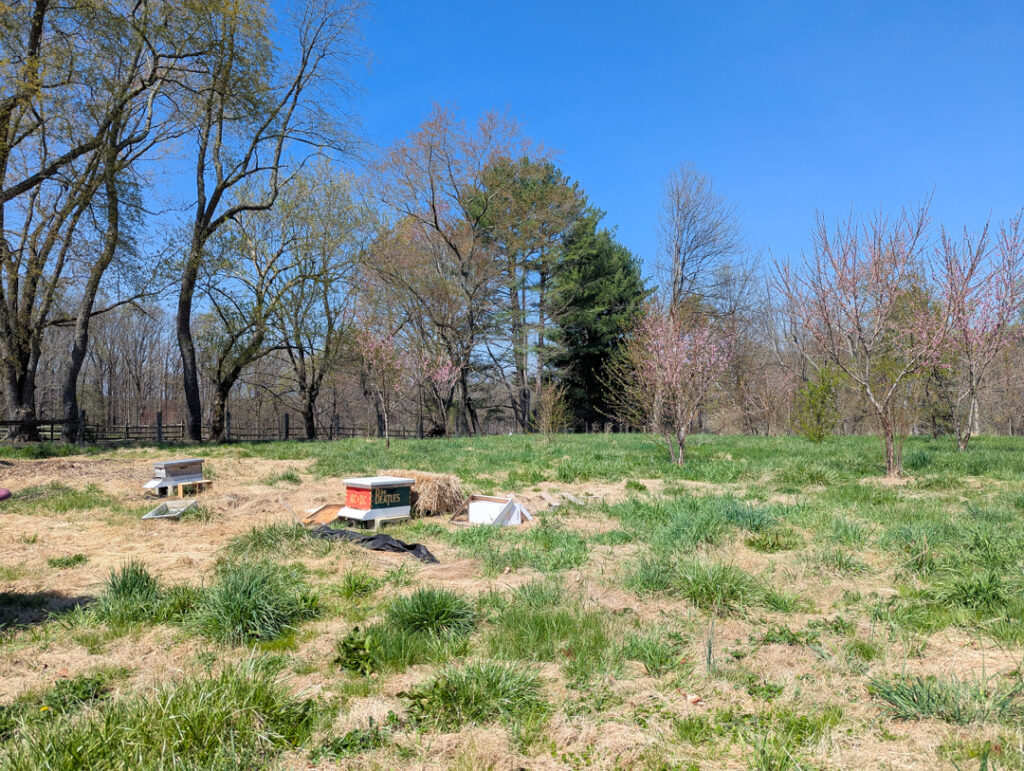
But it also brings more joy and teaches useful skills to carry through life. They’ve tapped the maple trees (more fun than practical). They keep bees and harvest honey. They watch their kids develop an easy, matter-of-fact relationship with where food comes from, picking up skills most kids their age won’t encounter for years, if ever.
Charlie has a slightly audacious goal simmering: spending one full year eating only what the farm produces. It might require supplementing with local meat or fish. But the fact that it’s even a consideration reflects the significant investment they’ve made in connecting with the land as a source of nutrition for their family.
The Barnstar Farm CSA has grown steadily, almost entirely by word of mouth. The Swartzes have grown the CSA slowly on purpose, but they have the capacity for another 20 to 30 members and hope the farm and CSA will fully sustain the family in the future.
If you want in, they’re taking a few more new members for the 2026 season. Shares are available by contacting them at [email protected]. A pop-up farm stand also appears periodically in their driveway throughout spring and summer. Watch for the wooden sign out front at 1005 Brintons Bridge Road in West Chester.
The Brandywine Valley and Chester County have a deep agricultural history. It’s wonderful to see another family continuing that tradition alongside a modern lifestyle and progressive farming practices that remain connected to the soil and land that feed us.