Newlin Grist Mill: Where history, nature, and technology come together

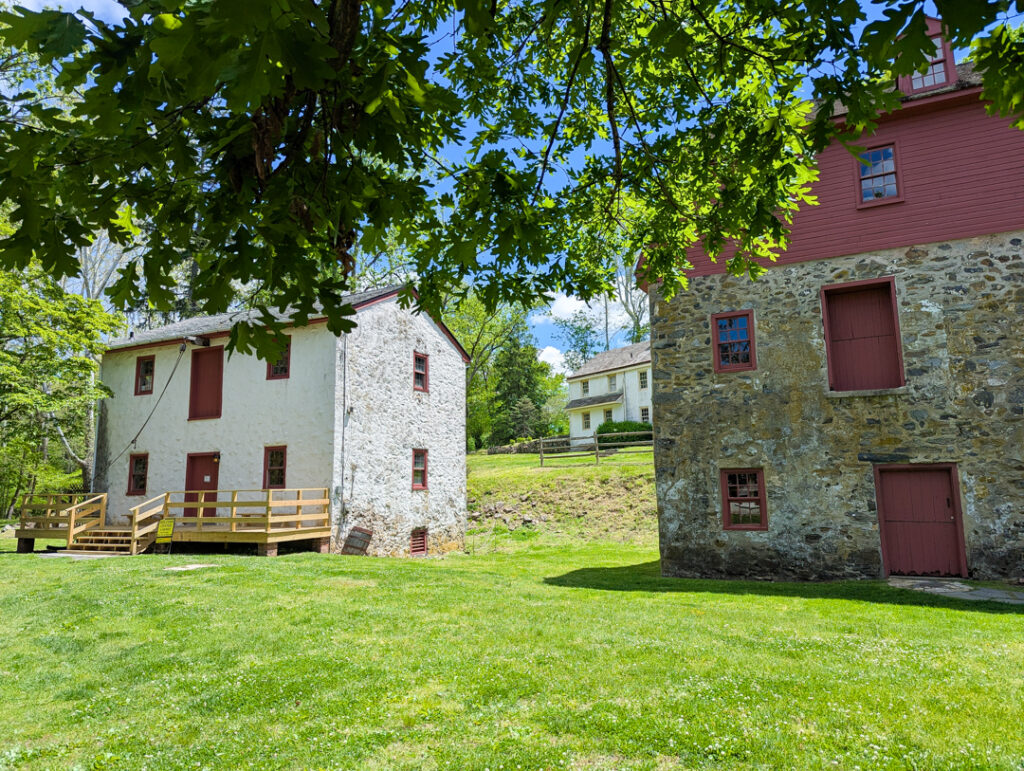
Tucked just a few minutes from Chadds Ford, along the Chester Creek in Glen Mills, Newlin Grist Mill offers respite from the noisy grind of daily life. A creek runs through trails meandering among quiet woods. Stone buildings from the 1700s stand exactly where they were built. And a functioning grist mill from 1704 rotates in the center of it all.
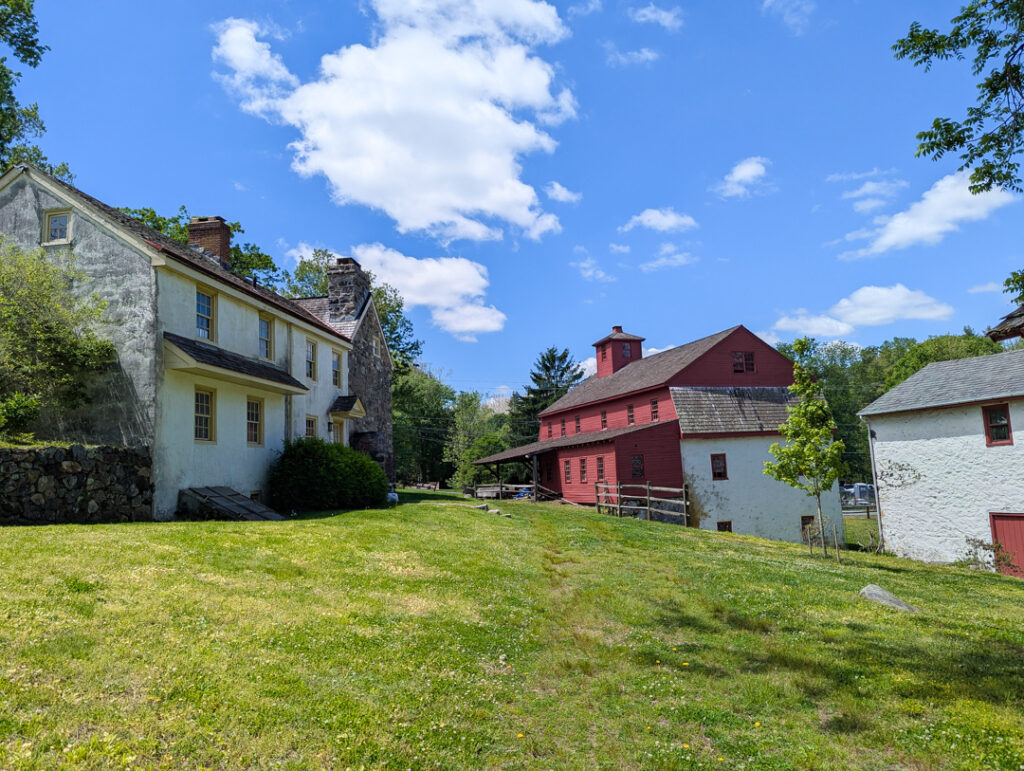
Newlin Grist Mill is not new. But under the leadership of its new executive director, Amy Ricci, and a strong Board of Trustees, it continues to expand its impact within and beyond its borders. Visitors to Newlin can explore the working grist mill alongside a miller’s house, blacksmith shop, and outbuildings — twelve historic structures in total across a 160-acre property with more than eight miles of trails. It’s a collection of working history, not just artifacts.
A historic mill that still works
Newlin Grist Mill stands apart from most historic sites in the region because the historic mill isn’t just preserved for display. It continues to function, albeit with some impressive maintenance currently.
Built in 1704 by Nathaniel and Mary Newlin as a water-powered grist mill, it ran continuously until 1941.
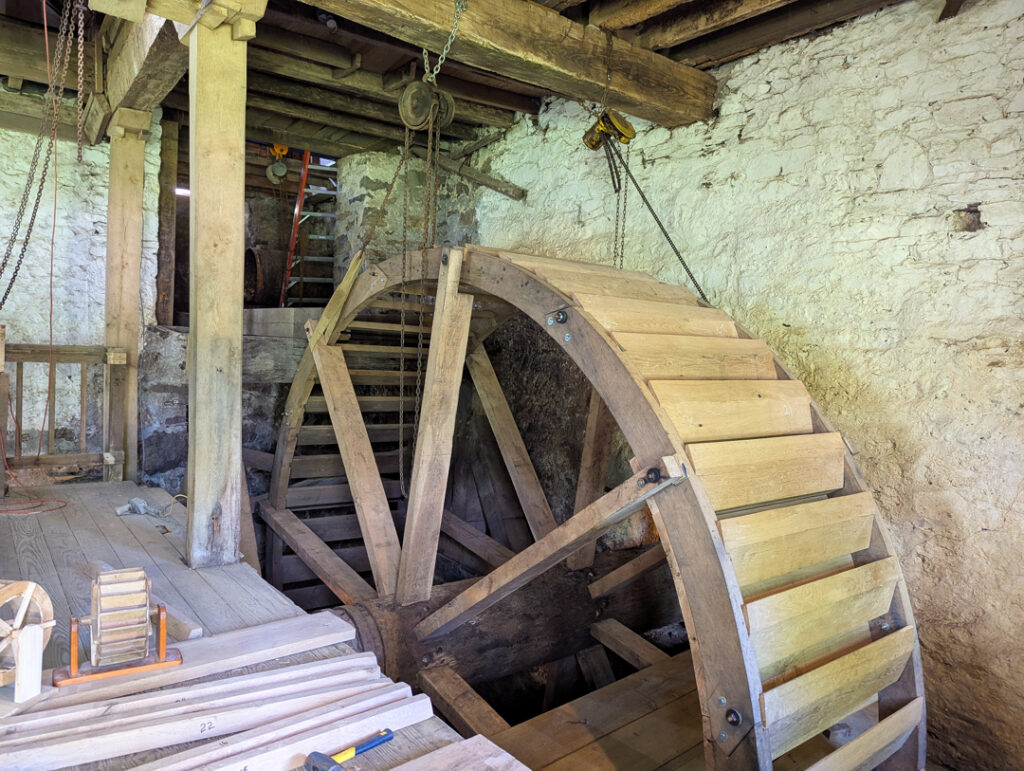
Right now, the mill is temporarily offline for some unique, handcrafted updates. Volunteers are rebuilding a massive water wheel by hand, without power tools, to recreate a mill as it looked in 1751. The new wheel will be more than 15 feet in diameter when complete, built entirely in the spirit of 18th-century craftsmanship.
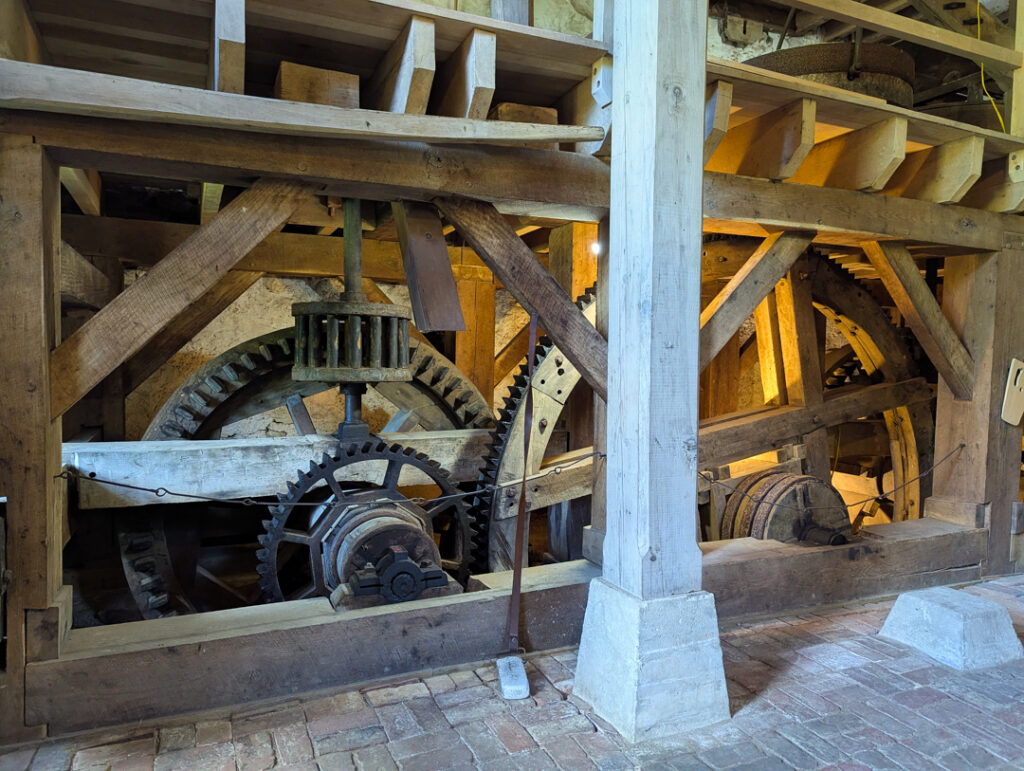
The work is timed, in part, to align with America’s 250th anniversary celebrations in 2026. This is a fitting tribute, given that the property lies near the edge of the Brandywine Battlefield and operated during the Battle of Brandywine on September 11, 1777.
When the mill comes back online, the organization has exciting plans for a variety of events to engage the community with the mill’s work in ways that resonate with life today. Ricci noted that the vision goes beyond demonstrations.
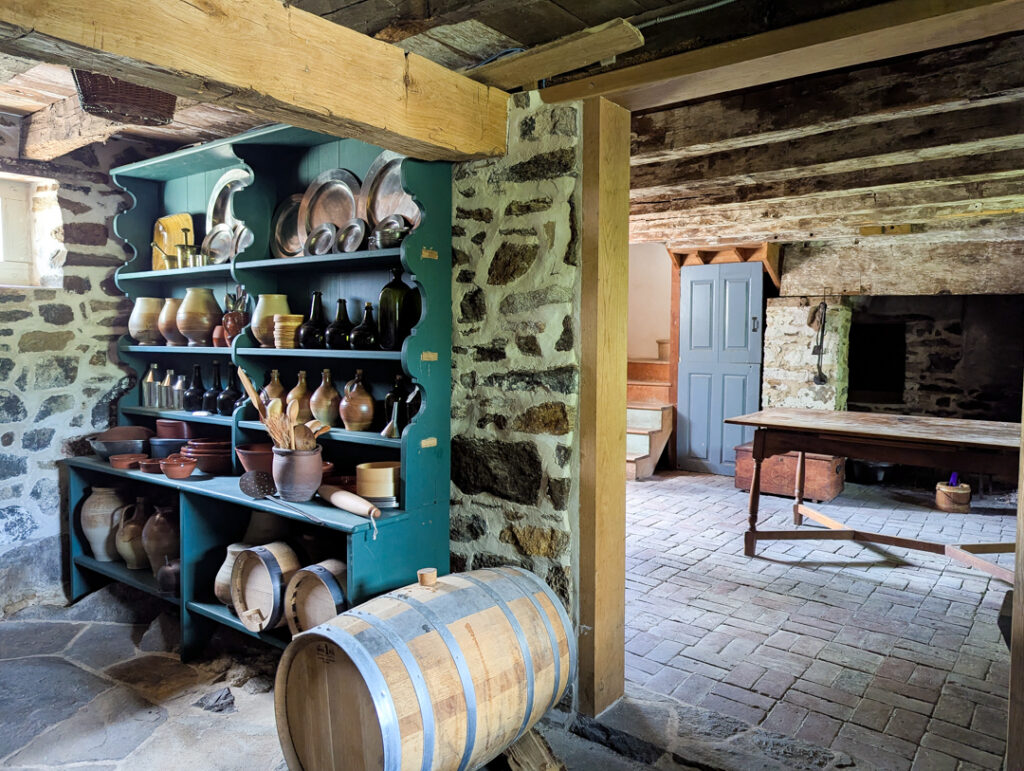
For example, she imagines using freshly ground wheat and corn to make the past relevant in the present. The property includes a beehive oven and a working colonial kitchen where they could host cooking events, recipe workshops, and other hands-on experiences that trace grain from the historic millstone to a modern table.
Where history, nature, and technology intersect
Newlin Grist Mill is unusual in that it brings together three things that rarely coexist in one place: history, nature, and technology.
With the mill, water flows down the creek, turns the wheel, drives the stones, and grinds the grain. It is a machine that feels ancient by our standards, but also ingenious. It’s also a reminder that the solutions our ancestors built were often elegant in ways our modern ones are not.
Importantly, it’s powered entirely by the surrounding landscape. The 160 acres around the mill aren’t an incidental backdrop. The creek is the engine. The nature and sustainability of the land and water resources are integral to the preservation and continued work of the technology and connected to the human history embedded in those stone walls. If the stream runs dry or flood waters rise, the technology stalls and history fades.
Old places ground us in place and time
Beyond aesthetics, walking into a centuries-old stone building feels different from walking into a new one. Old places carry time in a way that newer ones don’t. The weight of accumulated human presence slows time.
In an era when the pace of life seems to accelerate, and the digital world demands our attention in an unending stream of scrolling, the stream through Newlin Grist Mill offers a slower, countercultural pace many of us crave. Stand in the exact spot where our predecessors stood in 1751, in 1777, in 1850. Listen to the babbling creek rolling over stones that have watched centuries pass around them. The continuity generates a magical sense of quiet that feels necessary and hard to find today.
Understanding where we came from — the physical places, the built landscape, the evidence of how people lived — grounds us in the present and gives us something to carry into the future. Newlin Grist Mill is one of the few places in our immediate community where that experience is available to anyone. Importantly, Newlin Grist Mill makes this available for free.
160 acres to hang out for free
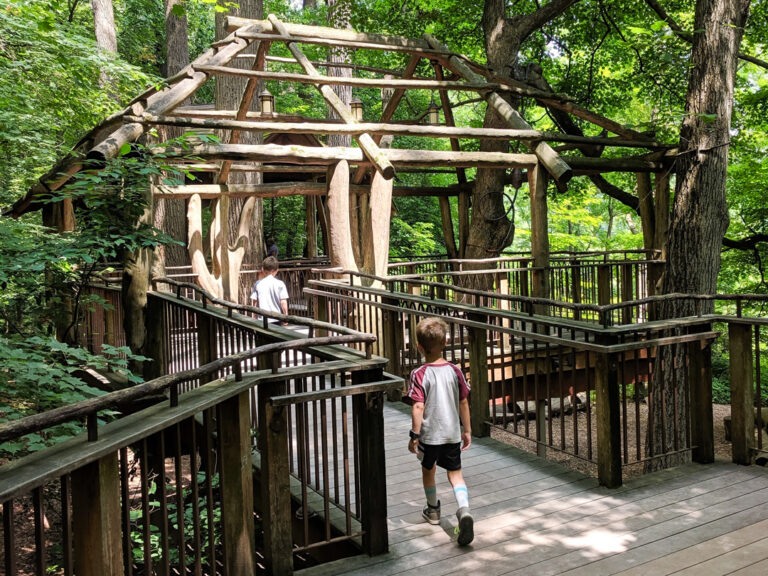
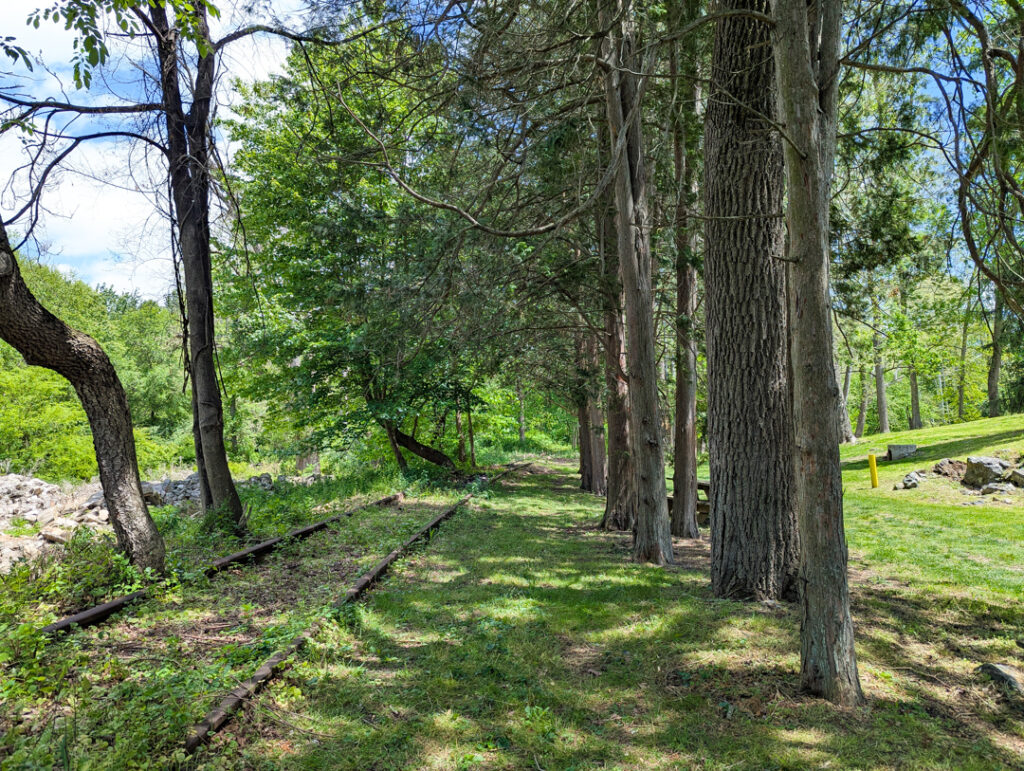
The property includes 8.5 miles of mostly flat trails over gravel, dirt, and occasional rock paths that cross small streams. The grounds are open dawn to dusk, every day. You can walk the trails, sit by the creek, wander through the gardens, and let your kids splash in the water without paying an entrance or membership fee.
In a world where nearly every “experience” has been monetized, Newlin Grist Mill has made a deliberate commitment to remain accessible to the public at no cost.
Third spaces have been disappearing from American life for decades. We have fewer places where people can simply be together, without anything being asked of them, no cover charge or minimum purchase. Newlin Grist Mill stands out as a place that’s bucked the trend, even if a tight budget tempts new sources of revenue.
Good stories travel best from neighbor to neighbor.
If this story matters to you, pass it along. It’s the best way to keep community journalism growing in Chadds Ford. Email or text it to a friend. Share on socials. Spread the word.
Wide variety of programs at Newlin Grist Mill
For those who want more than a walk in the woods, Newlin has built a programming calendar that ranges from serene to festive, from nerdy to athletic (my kind of range 😁). Be sure to check out the website for a longer list of programs and events, but here are a few of my favorites!
Fly Fishing Club: The creek is stocked with trout, and a summer catch-and-release fishing program gives anglers of all experience levels a chance to wade in. It’s a legitimate fly fishing experience within a short drive of Chadds Ford.
Race for the Watershed: One of the area’s more joyful community events combines a 5K run with a rubber duck race. Both raise money to protect the watershed that feeds into the creek flowing through the property. Buy a duck, name it something ridiculous, cheer it on, and maybe win a prize. Get the entire family outdoors for a great day of fun!
📣 Note: The Race for the Watershed is in June, so it’s coming up! Be sure to check it out and buy your ducks to support the organization if it’s in your budget.
Speaker Series and Panel Events: Newlin invites speakers to engage on a variety of topics relevant to its multifaceted mission. A recent panel event, “When Waters Rise,” brought together local experts in flooding and flood mitigation to discuss what more intense storms mean for our region and what we can do about them. Newlin understands the importance of environmental stewardship for their space and the community more broadly. Speaker events also include topics such as the history of commerce and how women supported the army in historical periods. See the site for full details!
Thursday Happy Hours: From 5 to 8 p.m. every Thursday (in May, June, September, and October), Newlin hosts an informal outdoor gathering with a food truck, occasional live music, a small bonfire, picnic tables along the creek, and an atmosphere that’s perfect for relaxing near the end of a busy week. Bring the family. Let the kids run. Get dinner from a pop-up food vendor. Grab a drink from Succession Fermentory, which supplies beverages during happy hour evenings. Stop by and bring your neighbors; you won’t regret it.
Public Archaeology: Some of Newlin’s most popular programs center on the ongoing archaeological excavations on the property. Led by a knowledgeable on-site archaeologist, these public dig days invite visitors to roll up their sleeves and get their hands in the dirt. Artifacts from centuries of life on this land are still being uncovered, and you can’t beat the experience of finding something that connects you directly to the people who lived and worked here hundreds of years ago.
Beyond the Headlines: Newlin’s full programming calendar also includes bird walks, blacksmithing classes, a pop-up naturalist series, Tales on Trails storytelling events, and more. There’s a Summer Discovery camp for kids, Earth Day events, a Fall Festival, Tavern Nights, and special programming in 2026 tied to America’s 250th anniversary.
Whatever your entry point, there’s something for you at Newlin Grist Mill. A little quiet. A little history. A little nature. And, if you time it right, a rubber duck race. 🦆
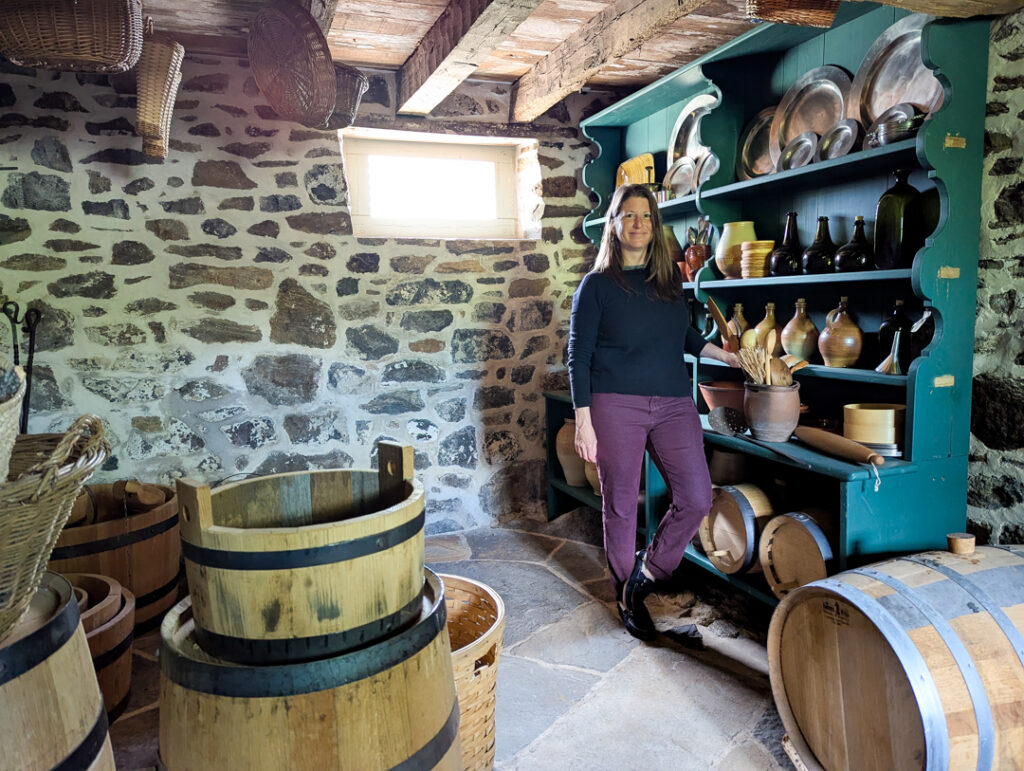
My interview with Newlin Grist Mill Executive Director
To get to know the mill a bit better, I connected with their new Executive Director, Amy Ricci, for a tour of the site and a brief interview about her new role. Check it out below!
Newlin Grist Mill is located at 219 South Cheyney Road, Glen Mills, PA 19342. The grounds are open from dawn to dusk and are free to the public. Check out the site for The Welcome Center’s hours, as well as information about events, programs, and membership. Visit newlingristmill.org.